Herbal products adulteration: a global problem
- WeNou

- Jan 24, 2020
- 1 min read
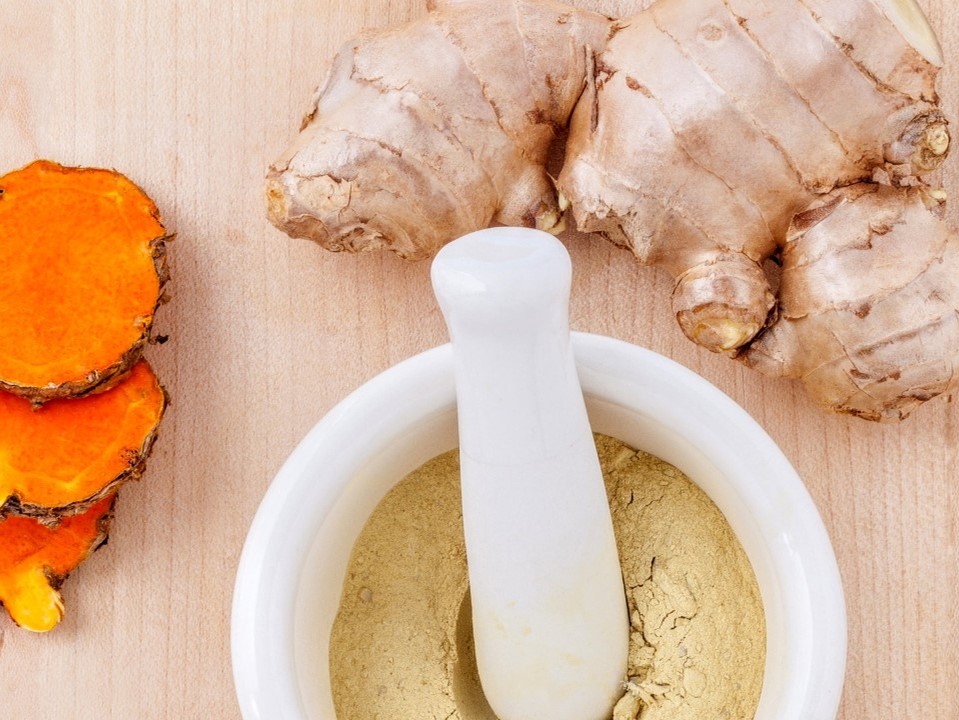
Recent DNA based study on commercial herbal products reveals adulteration all over the globe.
Know more at:
Botanicals are among the hardest products to verify by inspection. Leaves, roots and barks reach the consumer dried, cut, milled or extracted, and once a plant has been reduced to powder the morphological features a botanist would use to name it are gone. What remains is a name on a package and, behind it, a chain of collectors, driers, traders and blenders that is often long and rarely documented end to end.
Adulteration in this sector takes more than one form. A cheaper species from the same genus may stand in for the named one; a batch may be bulked out with an unrelated filler; or the declared plant may be present but accompanied by material nobody declared. The last case matters most, because a species that was never meant to be in the product has never been assessed for the way that product is used.
DNA barcoding answers the identity question directly. For plants the usual markers are the nuclear ITS2 region and chloroplast genes, short enough to survive drying and milling and variable enough to separate closely related species. Sanger sequencing suits material that should be a single plant; where a product is a deliberate blend, or where a filler is suspected, sequencing the whole extract returns every species present instead of confirming only the one that was asked about. Highly refined extracts are the limiting case: the more processed the material, the less intact DNA remains, and a result has to be reported together with that limitation.
That is where our work stops and someone else's begins. We report the species the laboratory can demonstrate in the sample supplied, with the method used and its limits; whether a finding is a supplier error, a labeling problem or a matter for a regulator is decided by the company that placed the product on the market.