Species substitution continues to be appealing
- WeNou

- Jan 24, 2020
- 1 min read
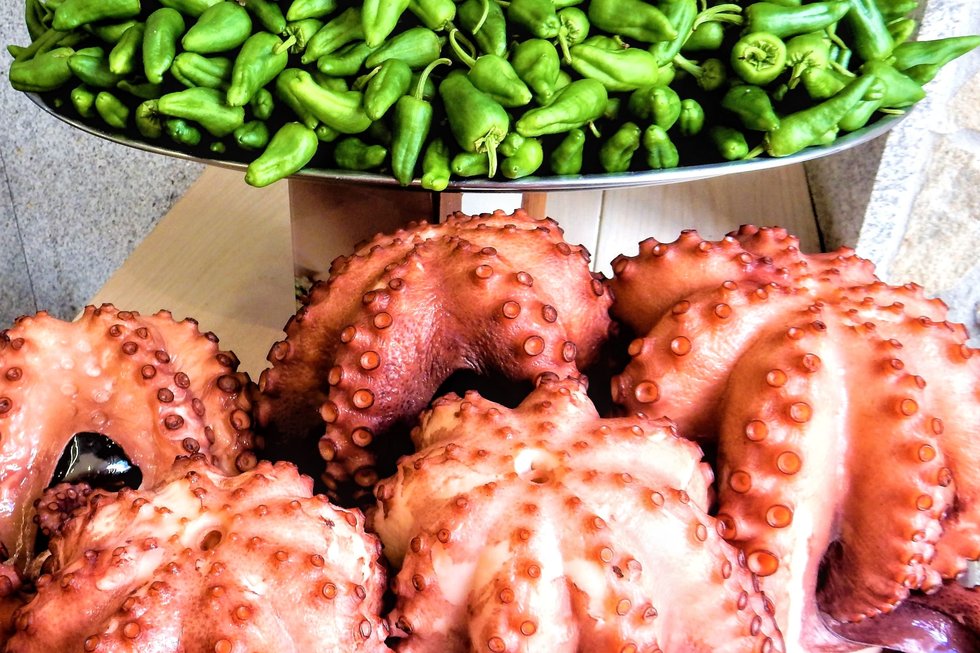
Fraud on cephalopod species: Two New York companies processed for falsely-label seafood that they later sold across the country aiming economical benefict.
Know more at:
Species substitution persists for a plain commercial reason: the price gap between two species can be wide while the difference on the plate is narrow. Cephalopods show it clearly. Once squid, cuttlefish and octopus have been cleaned, cut into rings or strips, frozen and coated, the anatomical features that separate them leave with the trimmings, and what remains is a product whose identity is carried entirely by its label.
European rules acknowledge that. Regulation (EU) No 1379/2013 requires fishery and aquaculture products sold to the final consumer to carry the commercial designation and the scientific name of the species, the production method and the catch or farming area. That level of detail exists precisely because the product itself no longer tells the buyer what it is.
Checking the declaration is a DNA question. Mitochondrial markers such as COI and 16S separate cephalopod species reliably and stay readable after freezing, cooking and mincing, which is where identification by appearance fails. For a single-species product Sanger sequencing gives a clean answer; for mixed or heavily processed products, a seafood salad, a filled pasta, a breaded mix, an untargeted sequencing run reports every species in the extract, including the ones nobody expected.
We do the analytical part of that and no more: identify the species genuinely present in the sample, describe the method and its limits, and issue a report. What follows, a conversation with a supplier, a change to a specification, a notification, is the responsibility of the business that owns the product.