Food fraud: once more, the vulnerability of seafood
- WeNou

- Sep 18, 2020
- 1 min read
Updated: Feb 27, 2021
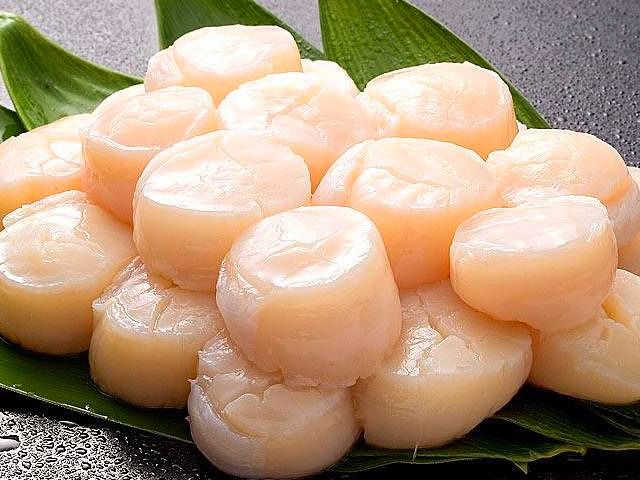
Studies from a Spanish university shows a frequent species adulteration in scallops. More valuable species are being substituted by less expensive ones in restaurants, supermarkets and local stores.
Know more at: elcomercio.es
Bivalves are an easy target for substitution because the part that is sold is the part that carries no identifying features. A scallop reaches the counter as a shucked adductor muscle: white, round and, once the shell has gone, effectively anonymous. Cheaper species, and in some markets discs cut from other shellfish, can occupy the same place on the plate without a customer or a chef being able to tell.
The problem compounds in prepared dishes. Where the product arrives breaded, in a sauce or frozen in a mixed bag, even the shape stops being evidence, and the only remaining statement about what the food is comes from the label and the invoice behind it.
DNA identification is the practical answer because it reads the tissue rather than the presentation. Mitochondrial markers such as COI and 16S distinguish scallop species from one another and from the shellfish used to imitate them, and they remain readable after freezing and cooking. A targeted assay is the fast route when a specific substitution is suspected; sequencing the whole extract is the right route when a buyer wants to know everything that is in a mixed or processed product.
For a restaurant group or an importer the value is simply that a supplier's claim can be tested rather than trusted. We analyze the sample, report which species are present and by which method, and leave the commercial response, a query to the supplier, a change of specification, a corrected menu description, to the business that owns the relationship.