Mislabeling still a main issue
- WeNou

- Jan 23, 2020
- 1 min read
Updated: Jan 25, 2020
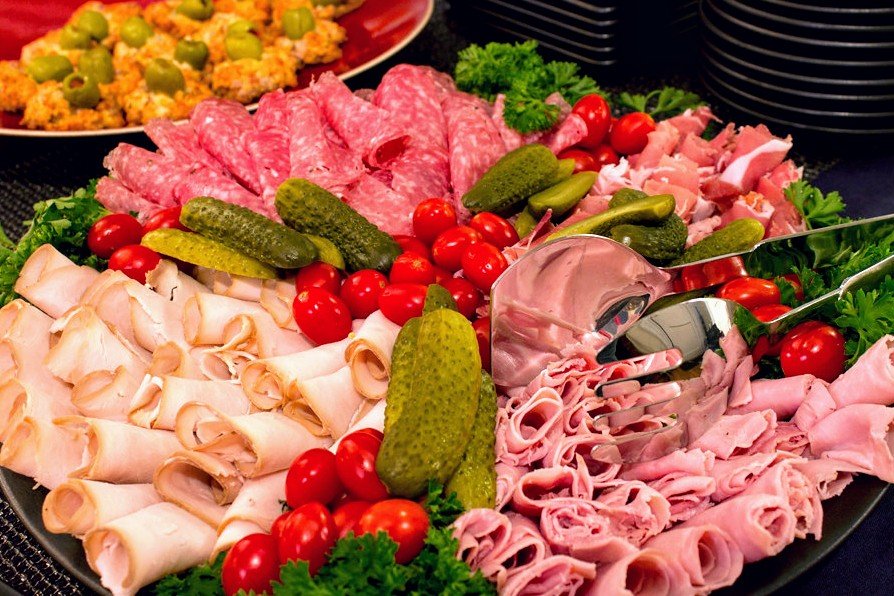
A study from Food Standards Agency reveals that one in five meat-based products tested at UK shops, takeaways and butchers contain meat that has not been declared on the label, missing the declared ones.
Know more at: dailymail.co.uk
A finding of this kind says something narrower than the headline suggests. It says that the species present in the sample do not match the species named on the label. That mismatch can come from deliberate substitution, from a supplier changing a raw material without telling the buyer, or from carry-over on a line that handles several species in the same shift. The analysis establishes what is there; deciding which of those explanations applies is the work of the audit that follows it.
Meat is separated by DNA rather than by sight because mincing, emulsifying and cooking remove the features a technologist would otherwise use. Short mitochondrial markers such as COI, cytochrome b, 12S and 16S stay readable in processed material and differ enough between species to tell them apart. When a producer already suspects a particular species, a targeted assay answers presence or absence for that species alone. When the question is open, sequencing reads the whole extract at once and returns every species the sample actually contains, which is the only way to find an ingredient nobody thought to look for.
In the European Union the obligation behind that label is not a matter of good practice. Regulation (EU) No 1169/2011 requires food information not to mislead as to the nature and identity of a product, and Regulation (EC) No 178/2002 requires every operator to identify the step before and the step after their own. A verification result is one of the few pieces of evidence that ties both duties to a physical batch. Our part of it is the analytical half: we take the sample, report which species are genuinely present and by which method, and leave the commercial and regulatory decisions to the people who know the supply chain.