Seafood: a susceptible group of products for species substitution
- WeNou

- Mar 2, 2020
- 1 min read
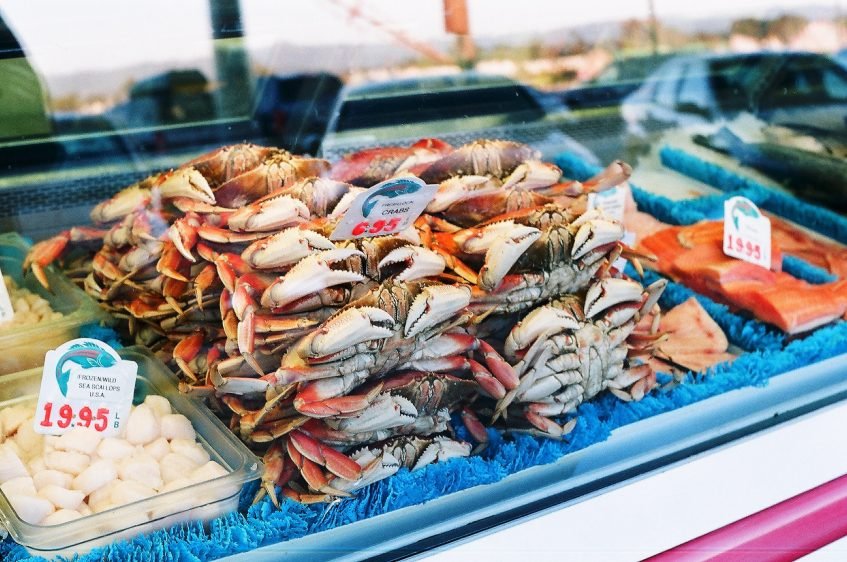
High value Atlantic Blue Crab, a product from USA, intentionally replaced with crab meat from Indonesia, China, Thailand, Vietnam, and Central and South America. Near 200 tons of this product crab meat with a retail value of millions of dollars was falsely labeled to sell in the market.
Know more at:
Picked crab meat is one of the clearest cases of a product that cannot be identified by looking at it. The meat is removed from the shell at source and arrives as loose white flesh in a tub, so every anatomical character that would name the species has already been discarded. Grade, texture and colour vary within a single species as much as between species, which leaves the label and the paperwork as the only statement of what the tub contains.
Two separate claims are usually being made about a product like this: which species it is, and where it came from. They are not the same question and they are not answered by the same method. DNA identification settles the species, and settles it well, because the markers used for animal identification are species-specific and survive cooking and freezing. Geographic origin is a different problem, addressed by other techniques and by documentary traceability, and a species result should not be read as an answer to it.
In practice a buyer starts with the species, because that is where the price difference sits and because it is the claim a laboratory can test directly. A targeted assay answers a named suspicion quickly. An untargeted sequencing run is the better choice for a blended or reformed product, since it reports every species in the extract rather than only the one that was asked about.
Our contribution ends with that report: the species we can demonstrate in the sample, the method used, and what it can and cannot show. What the finding means for a contract, a consignment or a customer is decided by the company that knows the chain, and we are glad to discuss the analytical side of it before anything is sent to the laboratory.